
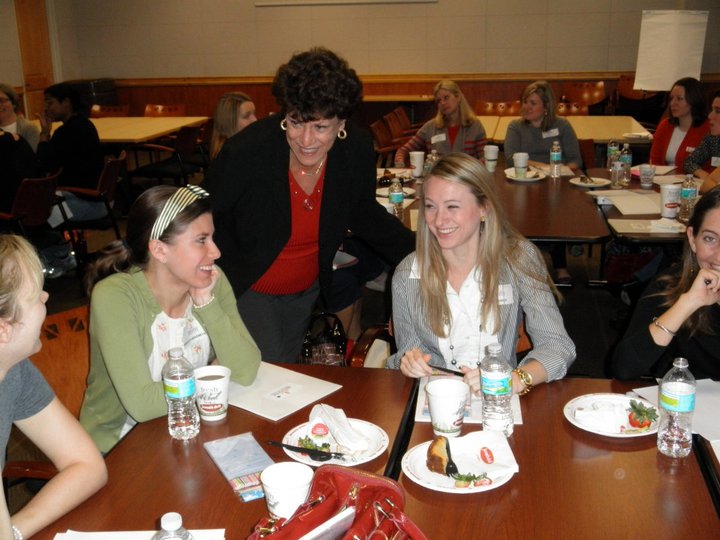
Because I train on the Generation Gap, I am often asked, “How can we hire the best Millennials?” Here are some tips to do just that!
Look for Millennials who have done more than just go to school. Volunteerism, internships, as well as real work experience, are great things to look for when recruiting and selecting new talent because it shows balance, task management and leadership skills, especially if they also managed to maintain above a 3.0 GPA.
Look for quick thinkers who easily grasp new concepts. When it comes to coaching and development, they’ll be more flexible with the way they receive instruction and training. If the Millennial has good communication skills, is sociable and energetic, that is a definite plus. Because Millennials often want work/life integration, look for candidates who are independent and have shown good decision making in the past.
So how do you find these things out? Be sure to do behavioral interviewing. Give case studies, and ask, “what would you do if … ” questions and then let your candidate do most of the talking. Your job is to listen and learn about them!
(From Bridging the Generation Gap, Keynote Address by Dr. Mimi Hull)
Leave a Reply
You must be logged in to post a comment.